10 minute reading
How DeFi bridges work: types and trade-offs
You already know that the world of DeFi bridges is sprawling and complex.
At the base level are DEXes (decentralized exchanges) that handle token swaps within a single chain. But, for true multi‑chain movement, blockchain bridge solutions take over – from lock‑and‑mint bridges and liquidity pool bridges to zk‑bridges and message‑passing protocols.
Each uses a slightly different model – some burn and mint, some rely on native asset transfers, and others blend AMM + bridge combos to optimize routes.

For most of us, though, the goal is simple: how to move crypto across blockchains safely without relying on a centralized exchange.
This 2025 breakdown focuses on the best crypto bridge solutions that balance four key pillars:
Supported Chains & Tokens – Wide multi‑chain coverage with deep token support.
Transaction Speed & Fees – Gas‑optimized bridging with minimal slippage.
Security & Reliability – Non‑custodial crypto bridges with audited smart contracts and a strong safety record.
Ease of Use – Simple UIs and integrated swaps for beginners and pros alike.
For those of you who want answers fast, here’s the comparison chart of the top crypto bridges 2025 before we start.
Top 5 crypto bridges 2025 – comparison table
Rank | Bridge | Chains Supported | Asset Type | Fee Structure | Transfer Speed | Standout Feature |
1 | Symbiosis Finance | 30+ (EVM + non‑EVM) | Native & wrapped (430+ pairs) | Super‑low; integrated swap routing | Fast (minutes) | Unified swap + bridge with lowest cost routes |
2 | Stargate (LayerZero) | 40+ chains | Native (no wrapping) | ~0.06% per transfer | Instant finality | Shared liquidity pools & native asset transfers |
3 | Wormhole (Portal) | 30+ including Solana, Cosmos, Sui, Aptos | Wrapped (lock‑mint model) | < $0.01 | Fast finality | Extremely wide chain support; developer‑friendly |
4 | Synapse Protocol | 20+ chains (EVM + Sol‑Ether) | Primarily stablecoins & tokens | Up to 80% cheaper vs rivals | Fast (minutes) | Lowest‑cost routing & slippage protection |
5 | THORChain (via THORSwap) | ~16 chains (including non‑EVM) | Native assets only | ~0.5% (slippage‑based) | Real‑time, pool‑based | DEX‑style s |
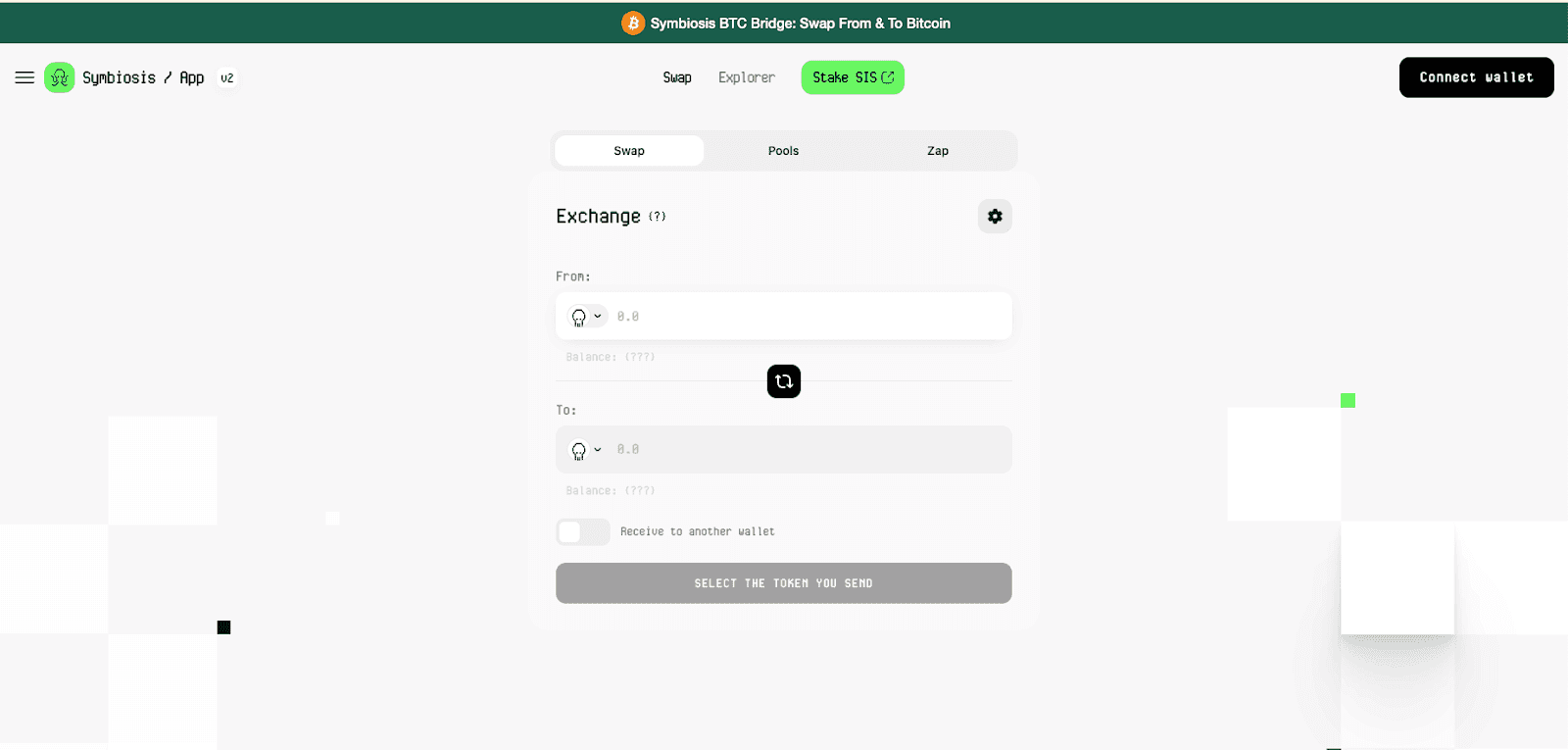
Symbiosis Finance – the all‑in‑one cross‑chain swap and bridge solution
When people ask which crypto bridge is best in 2025, Symbiosis Finance is usually the first name mentioned – and for good reason. This DeFi interoperability tool now spans 45+ blockchains (both EVM and non‑EVM), powering transfers on Ethereum, BNB Chain, Polygon, Avalanche, Tron, and more. Its unified AMM + bridge combo supports 430+ token pairs, including native Bitcoin swaps, and has processed more than 4 million transactions, moving $4 billion+ in volume across 660,000 wallets. It even has its own blockchain.
Symbiosis routes trades through on‑chain liquidity pools to find the cheapest crypto bridge routes and lowest slippage. Users get one‑click cross‑chain swaps, all while staying in control of their funds: its non‑custodial MPC‑based relayer network ensures Symbiosis never holds user assets.
Key highlights:
Broad support: 45+ networks across EVM & non‑EVM;
Hundreds of tokens & 430+ bridge pairs;
Non‑custodial crypto bridge with MPC relayers;
Gas‑optimized bridging & AMM routing for low fees;
One‑click UI for seamless swaps.
This breadth makes Symbiosis one of the best crypto bridges 2025 has to offer – and arguably the most complete cross‑chain bridge platform available today.
If you’d like to try it out, we’ve left a link for you here.
Stargate (LayerZero) – native asset transfers with unified liquidity
If Symbiosis is the all‑in‑one swap + bridge, Stargate is the top cross‑chain bridge for native assets. Built on LayerZero, Stargate now spans 50+ blockchains and enables direct asset transfers without wrapping or synthetic tokens. Its shared omnichain liquidity pools ensure transfers settle with instant finality – usually under one second – for a flat 0.06% fee.
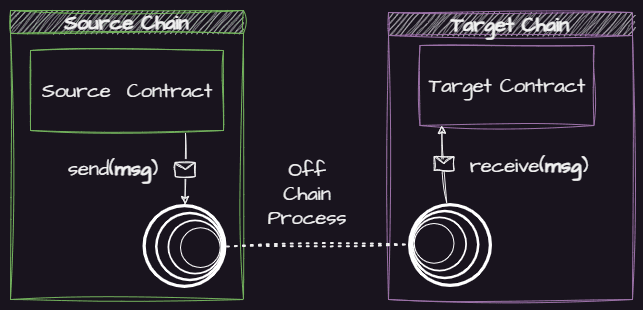
Security comes from LayerZero’s validator‑oracle model, which guarantees message integrity between chains. Features like destination‑chain gas delivery save users extra steps, making it one of the best crypto bridge solutions for power users and newcomers alike.
Key highlights:
Native‑token bridging across 50+ chains;
Instant finality and unified liquidity pools;
Low flat fee (~0.06%);
Validator/oracle security architecture;
Optional gas token delivery on arrival.
If you want the safest crypto bridge 2025 for native asset transfers, Stargate ranks near the top.

Wormhole’s Portal – broad multi‑chain reach, low‑cost transfers
Wormhole Portal remains one of the best cross‑chain bridges for sheer reach. Supporting 35-40+ chains (including Solana, Cosmos, Aptos, and Sui) it has handled $60 billion+ in volume and processed over one billion cross‑chain messages.
Using a lock‑and‑mint bridge model, Wormhole issues wrapped tokens on the destination chain. Transfers are extremely cheap (often under $0.01), and the guardian node network provides fast finality.
After a major exploit in 2022, Wormhole doubled down on security, expanding audits, launching a multimillion‑dollar bug bounty, and decentralizing its governance.
Key highlights:
Supports 35–40+ networks (EVM & non‑EVM);
Lock‑and‑mint token bridge protocol;
Ultra‑low fees (<$0.01 per transfer);
Fast finality via guardian nodes;
Post‑2022 security upgrades & audits.
For users who want wide coverage and the cheapest crypto bridge fees, Wormhole is still a major contender.
Synapse Protocol – fast, low‑fee interoperability
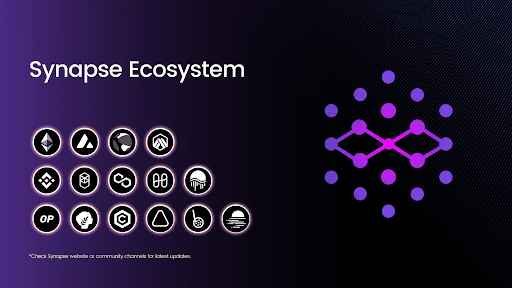
Synapse Protocol specializes in multi‑chain swaps for EVM ecosystems, while also supporting Solana‑Ethereum bridging. With $12-14 billion in lifetime volume and $2.5 billion+ monthly throughput, Synapse is a heavyweight in DeFi bridge solutions.
Its hybrid liquidity + bridge routing model allows up to 80% fee savings versus competitors, completing most transfers in minutes. The platform also offers slippage protection, real‑time destination estimates, and a DAO‑governed security model that uses audited smart contracts and optimistic verification layers.
Key highlights:
~20 chains supported (EVM‑first, plus Solana);
Hybrid liquidity & lock bridging design;
Up to 80% cheaper fees than rivals;
Audited code & DAO oversight;
Built‑in slippage protection.
If you’re hunting for the best crypto bridging platform for stablecoins and low‑fee routes, Synapse deserves a spot in your portfolio.
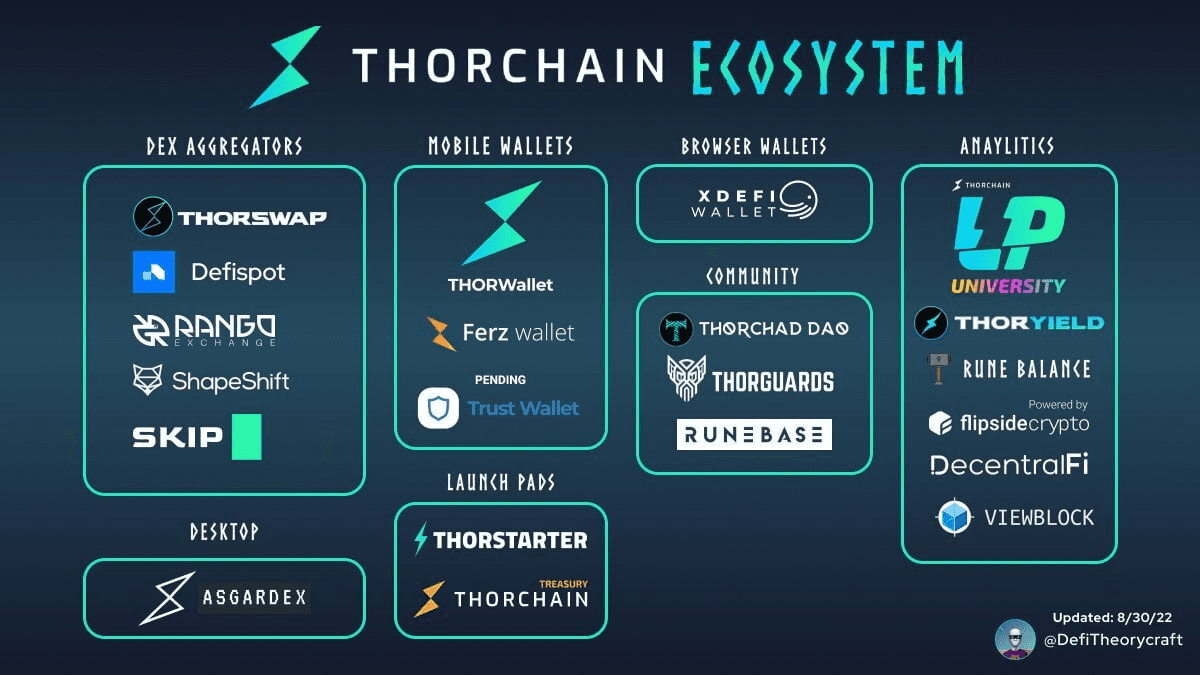
THORChain (via THORSwap) – native‑to‑native cross‑chain swaps
Finishing our top‑five crypto bridge ranking is THORChain, which takes a different approach: instead of wrapping tokens, it relies on liquidity pools to enable native‑to‑native swaps across 9-10 chains, including Bitcoin, Ethereum, XRP, and Cosmos.
With 5,000+ supported native assets, THORChain is the best crypto bridge for anyone who values real asset swaps (not wrapped IOUs). Its fees hover around 0.25-0.3%, with small transactions (<$100) often free.
Recent 2025 upgrades expanded support for TRON, XRP, and native USDC, cementing THORChain’s status as one of the top cross‑chain bridges 2025 for users who want true non‑custodial swaps.
Key highlights:
Native‑asset swaps (no wrapping) on 9-10 chains;
5,000+ native assets supported;
Transparent fees (~0.5% typical); micro‑transfers often free;
Non‑custodial crypto bridge with liquidity pools;
Decentralized governance & security audits.
For those asking “what is the best crypto bridge for Bitcoin?” or for native‑to‑native transfers, THORChain is an easy answer.
Best practices when choosing the best crypto bridges 2025
Choosing the best crypto bridges is about staying safe, minimizing fees, and ensuring your assets actually arrive.
As DeFi bridges now underpin billions in cross‑chain transactions, users need to weigh security, fees, and functionality before trusting any platform.
Here’s what to look for when deciding which crypto bridge is best for you:
Security & audits
The number‑one factor in evaluating top cross‑chain bridges 2025 is security. Cross‑chain breaches have accounted for the majority of DeFi hacks, with over $2.3 billion lost in H1 2025 alone – already surpassing 2024’s total.
To protect yourself:
Stick with audited smart contract bridges that have undergone multiple reviews by top security firms.
Favor trust‑minimized architectures – like non‑custodial crypto bridges with MPC‑based relayers (e.g. Symbiosis) or validator/oracle models (e.g. Stargate).
Check for bug bounty programs and layered protections (pausing functions, rate limits, timelocks).
These features are what separate the safest crypto bridge 2025 from the next exploit headline.
Supported chains & assets
A “best crypto bridge solution” isn’t useful if it doesn’t handle your tokens. Make sure the platform supports:
Your source and destination chains (Ethereum, BNB Chain, Solana, etc.).
The exact asset you’re moving – from wBTC and ETH to stablecoins like USDC and DAI.
Leaders like Symbiosis (30-45+ chains), Stargate (~50 chains), and Wormhole (35-40 chains) offer the widest coverage, making them true DeFi interoperability tools for multi‑chain users.
Fees & speed
Cost and speed are critical for choosing the best cross‑chain bridges:
Fixed fees: Stargate charges a flat ~0.06%.
Ultra‑low flat fees: Wormhole often costs under $0.01 per transfer.
Variable AMM models: Synapse and Symbiosis adjust based on liquidity, often saving users up to 80% compared to rivals.
Bridging speed also varies:
Sub‑second finality: Stargate’s light‑node model.
Fast multi‑minute routing: Symbiosis and Synapse, which balance gas costs and slippage.
If you’re comparing crypto bridge sites by performance, weigh both transaction time and total cost.
User interface & slippage control
Even the best crypto bridging platforms can frustrate users if they’re hard to navigate. Look for bridges that provide:
Transparent output previews;
Clear fee breakdowns;
Adjustable slippage settings.
Symbiosis and Synapse excel here, showing route comparisons and detailed confirmations before you click “send.” For beginners, this makes the difference between a smooth swap and an expensive mistake.
Liquidity depth & routing optimization
Liquidity is the engine behind every crypto asset transfer platform. Bridges with deep liquidity pools reduce price impact and slippage, especially for large transfers.
The best crypto bridge solutions (like Symbiosis) often integrate aggregator routing engines to scan multiple liquidity sources, ensuring the cheapest crypto bridge routes and best execution possible.

Finding the best crypto bridges in 2025
The DeFi ecosystem in 2025 feels like a walking house sometimes, but it all sticks together – and that’s because of cross‑chain crypto bridges.
Whether you’re moving stablecoins from Ethereum to Solana, swapping Bitcoin into DeFi, or experimenting with new L2s, the best crypto bridge solutions make those transfers fast, affordable, and safe.
From Symbiosis Finance’s all‑in‑one swap + bridge model to Stargate’s native asset transfers and THORChain’s native‑to‑native swaps, users have more options than ever. But, after comparing fees, supported chains, security, and UX, Symbiosis stands out as the most complete, user‑friendly, and trusted option among the best crypto bridges 2025.
If you’re ready to see how easy multi‑chain swaps can be, head to Symbiosis Swap and experience the leading cross‑chain bridge platform for yourself.

Share this: